Your Jewelry Is Probably Underinsured Right Now. Here's How to Fix It.
Gold more than doubled since 2024, but a fresh appraisal only solves half the problem. Most homeowners riders don't cover mysterious disappearance, cap payouts below replacement cost, and may not travel. Here's what to check and who to call.
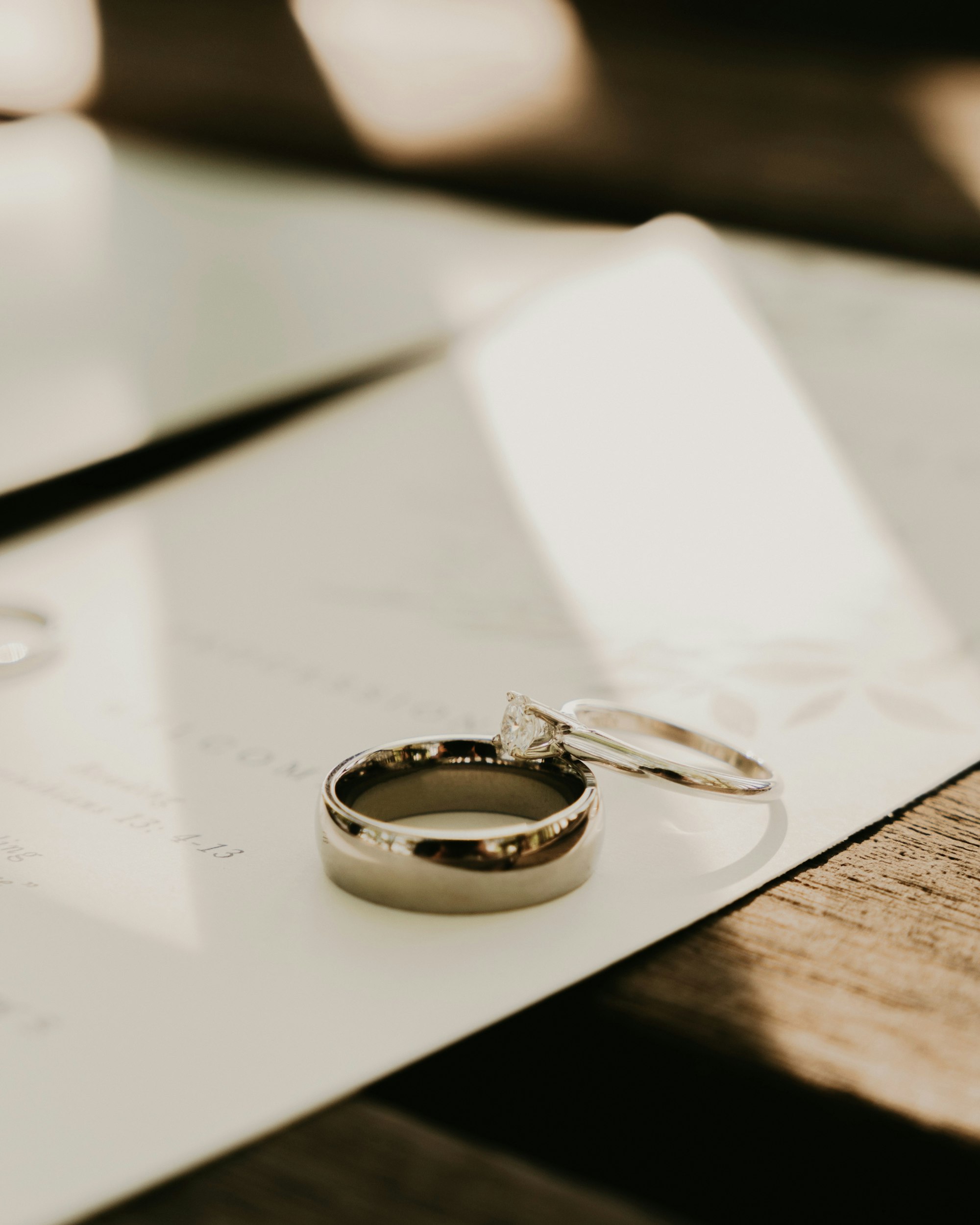
Pull up the appraisal your jeweler handed you when you bought the ring. Read the date. If it’s older than 2024, the number on that paper is a historical document, not a coverage figure. Gold was around $2,000 an ounce at the start of 2024. In the spring of 2026 it’s closer to $5,000. The metal in your jewelry more than doubled in about two years, and your insurer is still working off the old number.
Getting a fresh appraisal is the easy fix, and most people skip even that. The harder problem is that the policy underneath the appraisal was probably never going to cover you the way you assumed. Most fine jewelry in the U.S. rides on a homeowners rider that doesn’t cover mysterious disappearance, caps payouts well below replacement cost, and may not travel with you past your zip code. Jewelers Mutual recommends reappraising every two years. Before the gold run that advice was conservative. Now it’s the bare minimum, and it only solves half the problem. We’re going to focus on both halves here my friend. What the gold surge did to your appraisal, what your policy was already getting wrong before the surge, and the specific questions to ask your insurer that will tell you which category you’re in. Ok, maybe that’s three halves.
The appraisal problem is real and boring to fix

If you haven’t had a piece reappraised since 2022, you are flying on coverage figures that belong to a different economy. The fix is simple and, relative to what it protects, almost comically cheap when compared against what you stand to lose.
A reappraisal runs $50 to $150 at most independent jewelers (some charge hourly, some per piece, but that’s the range for a single item). It takes about an hour. You leave with a new document, you email it to your insurer, your premium adjusts (usually by tens of dollars annually, not hundreds), and your coverage now matches what replacement actually costs today. There is no trick to this part, just do it. The only real reason not to do it is that nobody reminded you, which is why I’m reminding you.
That new appraisal should state “replacement value,” not “fair market value” or “cash value.” Replacement value is what it will cost at retail, today, to put the same piece back on your hand. That is the number your insurer needs. Fair market value is what the piece would fetch if you sold it, which is always lower, sometimes dramatically so, and is useful for estates and divorce settlements and essentially nothing else.
If your policy has an “inflation adjustment” rider, check the percentage. Typical automatic inflation adjustments on jewelry policies run 1% to 5% a year. Gold more than doubled in two. The math does not work. Automatic inflation riders are a dial that moves at the speed of normal inflation, and we have not been in normal inflation for gold since 2024. A rider is not a substitute for a fresh appraisal.
The policy problem is where people get hurt
Most fine jewelry in the U.S. is insured under a homeowners rider, also called a scheduled personal property endorsement. It’s cheap, it rides on a policy you already pay for, and your agent offered it to you in five minutes when you bought the ring. It feels like the adult thing to do.
A lot of those riders do not cover mysterious disappearance.
Mysterious disappearance is the insurance term for “I know I had it when I went into the restaurant and I don’t have it now and I can’t reconstruct what happened.” It is not theft (you can’t prove a crime occurred). It is not damage. It is the category that covers the ring that slid off during a flight, the earring that got out of its back at a wedding, the bracelet that you thought was in the pocket of the coat you had dry-cleaned. It is, empirically, the way most jewelry disappears. Ask any jeweler how their customers describe their claims and the phrase “I don’t know” is almost every story.
Standard homeowners policies and the riders that ride on them were built to cover specific named perils: fire, theft, storm damage, the bad-luck disasters. Jewelers Mutual’s own explainer on homeowners coverage says plainly that a standard policy will not cover jewelry that “disappear[s] out of the blue,” and notes that unscheduled coverage typically caps at something like $1,000 per item or $1,500 blanket. That is what you are working with if you never added a rider: a single stolen watch can blow past the sublimit before you’ve finished the claim form.
Riders can help, but they are not all built the same. Chubb’s valuable articles rider is widely cited in the category. Standalone jewelry policies from Jewelers Mutual, BriteCo, and Lavalier explicitly market mysterious-disappearance coverage on their product pages, and Lavalier’s FAQ is a useful comparison point: their scheduled policy covers mysterious disappearance anywhere in the world, but their unscheduled endorsement specifically excludes it and runs with a $100 deductible. Two products from the same insurer, and the one most people default to is the narrower one. The basic endorsement on your State Farm or Allstate homeowners policy very possibly has the same shape. The only way to know is to read your policy or call and ask, and I know nobody wants to do that, which is why we’re here.
A partial list of ways your coverage might fail you
Mysterious disappearance is the big one but it isn’t alone. Here are a few other clauses that tend to reveal themselves after the worst possible moment.
Pair-and-set clauses. If one of a pair is lost, some policies pay only a partial value, on the theory that you still have half. But unlike this article, you likely didn’t have three halves to start with. Regardless, this ignores the practical reality that a single diamond stud is not a piece of jewelry you will likely wear often.
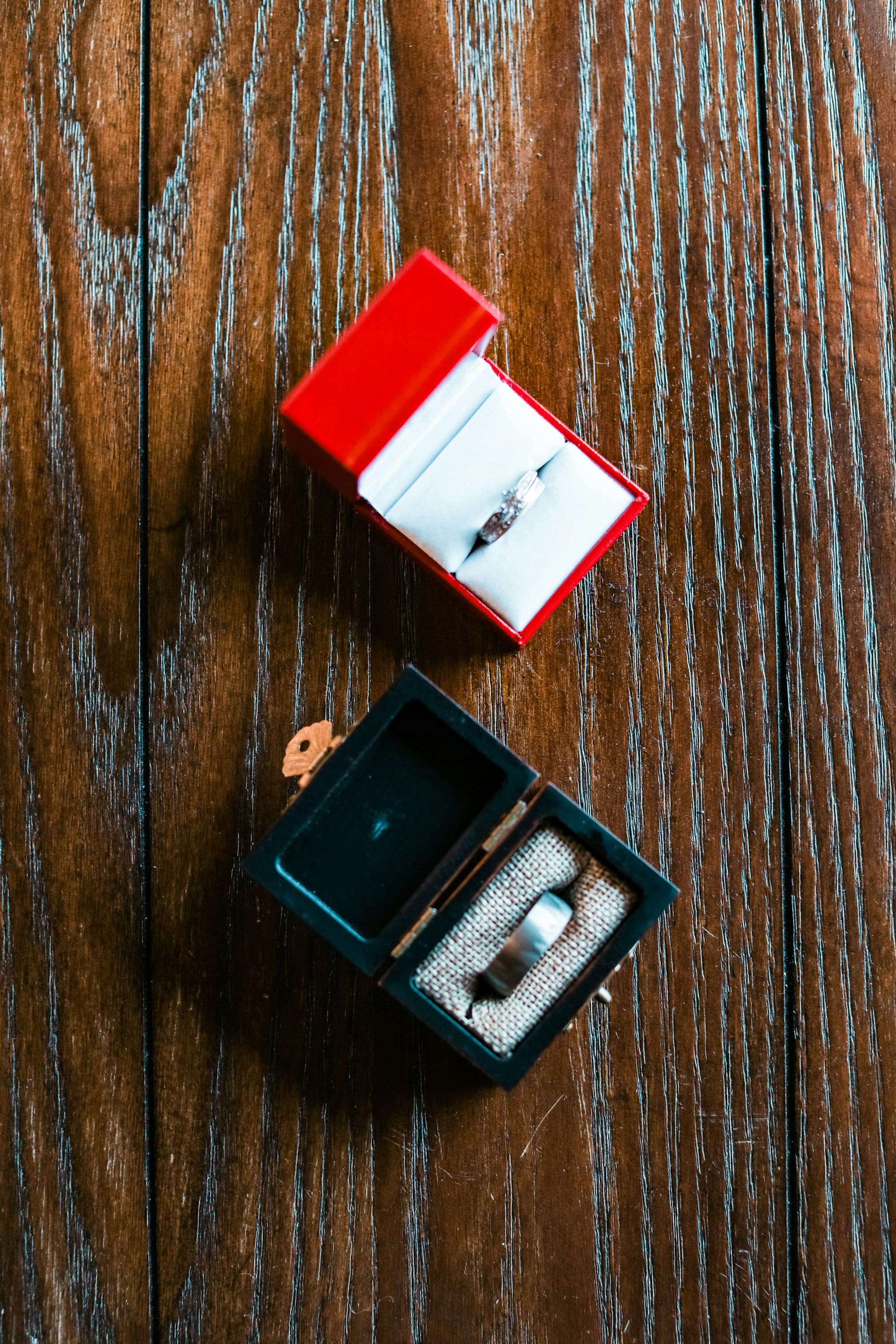 A policy with a bad pair-and-set clause hands you a check for 40% of the earrings’ value and leaves you with one stud that will live sadly in a drawer, a reminder of what you once had.
Travel limits. Some riders cover losses only at your primary residence. The piece you take on a work trip to Tokyo, or on vacation, or to a wedding in Italy, is not covered once it leaves your zip code. Standalone jewelry policies are usually worldwide. Basic homeowners riders are frequently not.
Wear-and-tear exclusions. A prong wears down over years of use, a stone falls out, you don’t notice for a day, you file a claim, the insurer says prong failure is maintenance and not an insured event. This is almost universally true across all policies, rider or standalone, so it’s less a gotcha than a reminder: checking prongs every year at a jeweler is free at most shops and is the only thing that reliably prevents this loss.
Cash value vs. replacement cost. A cash-value policy pays what the piece is considered to be “worth” at the time of loss, usually a depreciation-adjusted number that bears no relationship to what it will cost to put a replacement on your finger. Replacement-cost coverage pays what a retail replacement really costs. You want the second one. If your declaration page doesn’t say replacement cost, it’s probably the first.
Deductibles that scale with everything else. The deductible on a homeowners rider is often the homeowners deductible, which might be $2,500 or more on a modern policy. A standalone jewelry policy usually runs with a low deductible, sometimes zero. If your $3,800 piece is insured under a rider with a $2,500 deductible, the coverage you’re paying for is narrower than the number suggests.
The coverage-limit cap. Even when the loss is covered and the claim is approved, most policies pay “current replacement cost, up to the coverage limit, whichever is lower.” That is a direct quote from Jewelers Mutual’s claims page, and it is the clean structural link between gold’s run-up and the “underinsured” outcome. If your scheduled value is $3,000 and the piece costs $5,500 to replace today, you get $3,000. The gap is yours.
What good coverage looks like
The thing that exists in one document, covers mysterious disappearance, pays replacement cost worldwide, treats each piece individually rather than as part of a set, has a low or zero deductible, and doesn’t count claims against your homeowners record. That’s a standalone jewelry policy. Jewelers Mutual has been the default in this category for over a century, and also offers an “Insurance Value Adjustment” that can automatically bump scheduled values every two years in most states when appraisals aren’t updated, which is a useful safety net for the exact problem I’ve been describing. BriteCo is the insurtech-era version, same coverage structure, smoother online experience. Chubb’s valuable articles rider is the option if you’re already in the Chubb ecosystem and want everything under one roof.
Pricing is the boring good news. BriteCo cites rates typically between 0.5% and 1.5% of appraised value per year; the broader industry range is usually quoted at 1% to 2%. A $5,000 piece costs somewhere between $25 and $100 a year to cover properly. That is less than the cheapest piece of costume jewelry people buy twice a year at airport gift shops. It is, relative to the loss it protects against, the most cost-efficient insurance you will ever buy.
(There’s a tangent here worth taking. A PriceScope thread from 2018 is still one of the clearer windows into how claims go sideways: the policyholder’s pear-shaped diamond chipped, the claim was approved, but the insurer pushed to replace it with a stone of the same carat weight that was noticeably smaller in face-up dimensions. The jeweler said the insurer wouldn’t authorize a larger stone that matched the original’s actual appearance on the hand. The claim was honored in the strict sense. The replacement was not the ring. Carat weight is a number. A stone on your hand is the thing you bought. Anyway.)
The specific call to make, and what to ask
Call your current insurer. Or your standalone jewelry insurer, if you have one. Tell them you want to review the coverage on your scheduled jewelry. Then ask, in roughly this order:
- Does the policy cover mysterious disappearance? Not theft, not damage. Mysterious disappearance specifically. Get them to use the phrase.
- Is the coverage replacement cost or actual cash value? If they say “agreed value,” ask what that means in practice at claim time.
- Are worldwide travel losses included, or is coverage limited to the primary residence?
- How is a pair or set handled if only one piece is lost? Full value, or prorated?
- What’s the deductible per claim, and does filing a claim affect my homeowners premium or record?
- How often should I submit a reappraisal, and does the policy auto-adjust scheduled values for rising metal prices? (If yes, at what percentage? If the answer is 3%, ask what happens when gold moves 30%.)
- If I need a repair or replacement, do I choose the jeweler, or do you direct me to one?
If the answers on one and three are no, the policy has a structural gap the reappraisal won’t fix. That is a policy conversation, not an appraisal conversation. Write down what they tell you. Get it in writing if they’ll do it. A rider with a clean answer on all seven is probably fine. A rider that fails on two or more is paying you to feel insured, which is not the same thing as being insured.
The piece itself is where the coverage starts
The pieces that are easiest to insure well are the ones that were built well in the first place. If you want a deeper look at what separates well-made jewelry from the rest, there’s a whole piece on that. A solid-gold chain with a properly stamped hallmark, a stone with a lab report, a maker whose brand still exists and can be reached for a replacement conversation: those pieces appraise cleanly, re-appraise cleanly, and get replaced cleanly when something goes wrong. A thin gold-over-silver piece with no paperwork is hard to appraise accurately, hard to insure, and functionally impossible to replace from the original source if the maker has moved on.
The ring you barely take off is worth more than it was when you put it on, which is a strange concept, but it is the single most accurate thing I can tell you about fine jewelry in 2026. So don’t wait. Find your policy and your appraisals. Dig them up, read the date. If it’s older than the current political administration, you have a morning phone call to make.
Get the edit.
New picks, styling ideas, and honest reviews — straight to your inbox. No fluff. No spam.